Revolutionize Your Home: Professional Kitchen Remodel Services for a Stylish Makeover
Renovating a kitchen can significantly enhance both its usability and aesthetic appeal. Many homeowners encounter common issues that trigger a remodel, from outdated designs to inefficient layouts. Investigating key trends and essential materials can offer valuable insights. As the process unfolds, understanding how to integrate smart technology becomes vital. Each decision contributes to creating a space that reflects personal style while boosting home value. What are the next steps in this process?
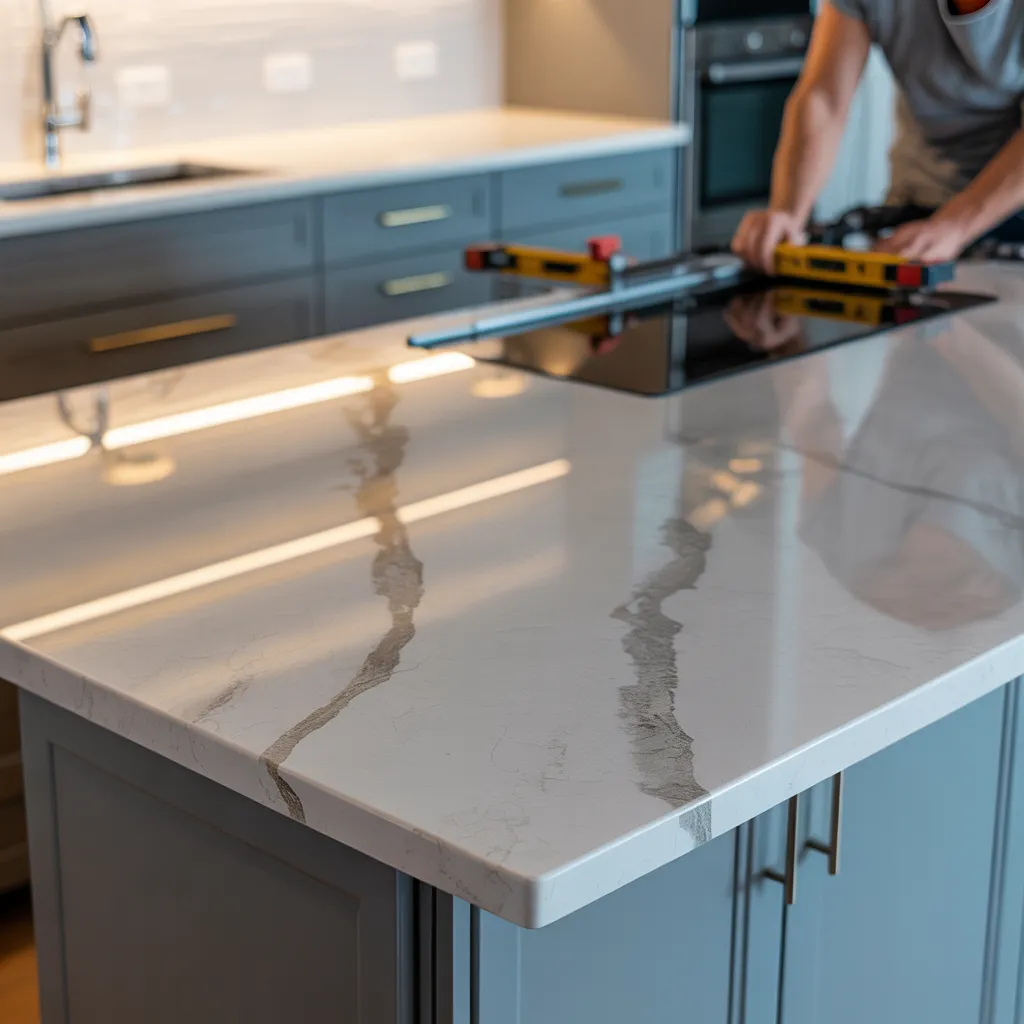
Frequent Reasons for Kitchen Remodeling: Dealing with Your Pain Points
What drives homeowners to think about kitchen remodeling? The reasons can vary greatly but often stem from addressing specific pain points. Many homeowners find their kitchens outdated, lacking modern conveniences and aesthetics. A cramped or poorly designed layout can hinder daily tasks, making cooking and entertaining cumbersome. Furthermore, as households expand, the requirement for additional practical space becomes apparent, inspiring a preference for an open-layout design.
Additionally, enhancing energy efficiency and integrating sustainable materials have become top concerns for many. Aging appliances might not meet the demands of contemporary living, causing evaluations for upgrades. Increasing the kitchen's resale value is another popular motivation, as a modernized kitchen can considerably enhance market appeal. Ultimately, these factors inspire homeowners to invest in kitchen remodeling, working to create a space that reflects their lifestyle, meets their needs, and increases their home's overall value.
Major Trends in Kitchen Remodel Design Trends
As house owners aim to design more useful and attractive kitchens, multiple significant trends in redesign have surfaced. Open-format floor plans continue gaining traction, allowing for seamless changes between cooking, dining, and living spaces. Minimalist aesthetics, characterized by clean lines and uncluttered counters, are preferred for their contemporary attraction. Additionally, bold backsplashes featuring unique patterns and colors are being applied as feature highlights, contributing style and uniqueness to the room.
Sustainable materials have become an important trend, with homeowners opting for eco-friendly options that promote both style and environmental responsibility. Smart technology integration is growing in popularity, boosting convenience through features like smart refrigerators and automated lighting. Moreover, two-tone cabinetry delivers a contemporary twist, permitting homeowners to mix and match colors for a personalized touch. These trends collectively demonstrate a shift towards kitchens that are not only functional but also serve as inviting social hubs.
Planning Your Kitchen Layout for Maximum Functionality
Creating an well-organized kitchen layout is crucial for enhancing functionality and boosting the overall cooking experience. A thoughtfully designed kitchen should account for the work triangle—made up of the stove, refrigerator, and sink—to guarantee efficient workflow. This triangular design reduces unnecessary movement, enabling quicker meal preparation.
Creating designated zones, such as cooking, prep, and cleaning areas, can further streamline kitchen tasks. Sufficient counter space is important for food preparation, while strategically placed storage solutions help keep essentials within reach.
Furthermore, the selection of cabinetry and appliances should support the overall design, preserving both accessibility and aesthetics. Open layouts can encourage social interaction, while optimized traffic patterns prevent congestion.
Selecting the Right Kitchen Remodel Services
Choosing the finest kitchen remodel services necessitates a thorough assessment of the contractor's skills and knowledge. Potential clients should also examine the contractor's portfolio to verify their design style matches their vision. This detailed examination will assist in making an informed decision for a triumphant kitchen transformation.
Examine Knowledge And Expertise
When evaluating kitchen remodel services, it is essential to assess both experience and expertise, as these factors significantly influence the level of the project. Potential clients should request information on the number of years the service provider has been in the industry, as well as their specific experience with kitchen remodels. A company with a strong track record is likely to exhibit the necessary skills to navigate obstacles that may occur during the renovation process. Moreover, checking for relevant certifications or training can offer insight into the contractor's expertise. Connecting with past clients through testimonials and reviews can further inform future homeowners about the trustworthiness and proficiency of the remodel service, securing an informed decision for a successful kitchen transformation.
Examine Your Portfolio and Style
An in-depth review of a remodel service's portfolio and design style is critical for homeowners seeking the best kitchen transformation. By reviewing previous projects, clients can assess the quality of workmanship and attention to detail. It is important to search for a diverse range of styles that correspond to personal preferences, whether modern, traditional, or eclectic. In addition, analyzing before-and-after photos can give insight into the service's ability to implement innovative designs. Homeowners should also review any awards or recognitions obtained by the remodel service, as these accolades often reflect a commitment to excellence. In the end, coordinating the service's aesthetic with one's vision enables a more efficient remodeling process and a more fulfilling outcome.
Key Materials for Modern Kitchens
In modern kitchen design, choosing the right materials and finishes is essential for both practicality and aesthetics. Top picks consist of durable surfaces like quartz and sleek cabinetry that enrich the overall aesthetic. Sophisticated finish options, such as matte or glossy textures, additionally elevate the space, making it both welcoming and modern.
Well-Known Material Selections
Today's kitchens are distinguished by a mix of functionality and aesthetic appeal, greatly influenced by the choice of materials and finishes. Preferred material options include quartz and granite for countertops, offering durability and a sophisticated look. Cabinets often showcase wood, either in natural finishes or painted styles, adding warmth and character. Stainless steel remains a preferred option for appliances due to its sleek appearance and ease of maintenance. In flooring, options like porcelain tile or hardwood are selected for their resilience and design versatility. Additionally, glass and metal accents are increasingly utilized in backsplashes and fixtures, adding a contemporary touch. These materials not only improve the kitchen's visual appeal but also contribute to its overall functionality and longevity.
Stylish Surface Choices
Elegant finishes serve a key function in establishing the complete aesthetic of a modern kitchen, improving its design while improving functionality. The option of cabinetry finishes, such as matte or glossy surfaces, greatly shapes visual appeal. Streamlined, stainless steel appliances introduce a contemporary touch, while textured materials like reclaimed wood introduce warmth and character. Countertops featuring quartz or granite deliver durability and elegance, often working as a focal point in the room. Backsplashes in colorful tiles or minimalist glass can introduce color or sophistication. Moreover, modern lighting fixtures create ambiance, combining style with practicality. Combined, these elements produce a harmonious, inviting atmosphere that embodies both style and usability, crucial for modern kitchen remodels.
How to Add Smart Technology to Your Kitchen?
Integrating smart technology into a kitchen can substantially enhance both functionality and convenience. Homeowners can start by adding smart appliances, such as refrigerators that track inventory and ovens that can be controlled remotely. Voice-activated assistants, like Amazon Alexa or Google Assistant, can streamline meal preparation by supplying recipes and setting timers.
In addition, smart lighting can be used to create different moods or enhance visibility while cooking. Touchless faucets featuring sensors deliver hygiene advantages, lowering the spread of germs. Smart thermostats can manage kitchen temperature effectively, resulting in energy savings.
In addition, implementing a smart home hub can consolidate control over multiple devices, enabling users to control everything from one central interface. With these advancements, a kitchen can develop into a more efficient and enjoyable space, merging modern technology with daily culinary needs. Utilizing these innovations transforms the cooking experience and elevates the overall home environment.
Establishing Your Kitchen Remodeling Budget
Planning a kitchen remodel requires thoughtful financial planning to ensure that the desired upgrades align with available resources. Homeowners should start by establishing a clear budget, taking into account both desired features and potential hidden costs. It is vital to prioritize needs over wants, making certain that critical elements such as cabinetry and appliances receive appropriate funding.
Investigating average costs for materials, labor, and design services can give a realistic framework for budgeting. In addition, setting aside a contingency fund of 10-20% is prudent, as unexpected expenses often appear during renovations. Working with professionals can assist in refining the budget, as they can deliver insights on cost-effective solutions without reducing quality. Ultimately, homeowners should remain flexible, as adjustments may be needed to attain the best outcome within their financial constraints. By tackling budgeting methodically, a successful kitchen transformation becomes possible while decreasing financial stress.
Common Questions
How Much Time Does a Kitchen Renovation Usually Take?
An average kitchen remodel usually takes between 6 to 12 weeks to complete. Aspects such as the scope of the project, design sophistication, and contractor availability may influence the timeline, resulting in variations for each particular project.
Which Permits Are Needed for a Kitchen Remodel?
Kitchen remodeling generally needs building permits, electrical permits, plumbing permits, and sometimes zoning permits, based on local regulations. Homeowners should consult their local government or a licensed contractor to verify compliance with all legal requirements.
Can I Live in My Home During the Remodel?
Yes, homeowners can live in their homes during a kitchen remodel. That said, they need to expect noise levels, dust accumulation, and potential disruptions. Planning for temporary cooking solutions and access to essential areas is advisable for a smoother experience.
How Can I Manage Unexpected Problems While Overseeing the Remodel?
To deal with unexpected challenges during a remodel, you should preserve open communication with your contractors, analyze the situation calmly, explore potential solutions, and modify the budget and see this timeline as necessary to accommodate unforeseen challenges.
What Warranty Options Are Available for Kitchen Remodel Services?
Coverage for workmanship and materials in kitchen remodel warranties typically spans one to ten years. Homeowners should review specific terms with contractors to guarantee clarity and protection against potential issues.